
Oral Surgery
Bone Grafting in Jenkintown, PA
Rebuilding the foundation before anything is built on it.
When a tooth comes out, the bone that used to hold its root no longer has a job to do, and over time the body reabsorbs some of it. A bone graft adds material back to that area so there is enough bone to place an implant into.
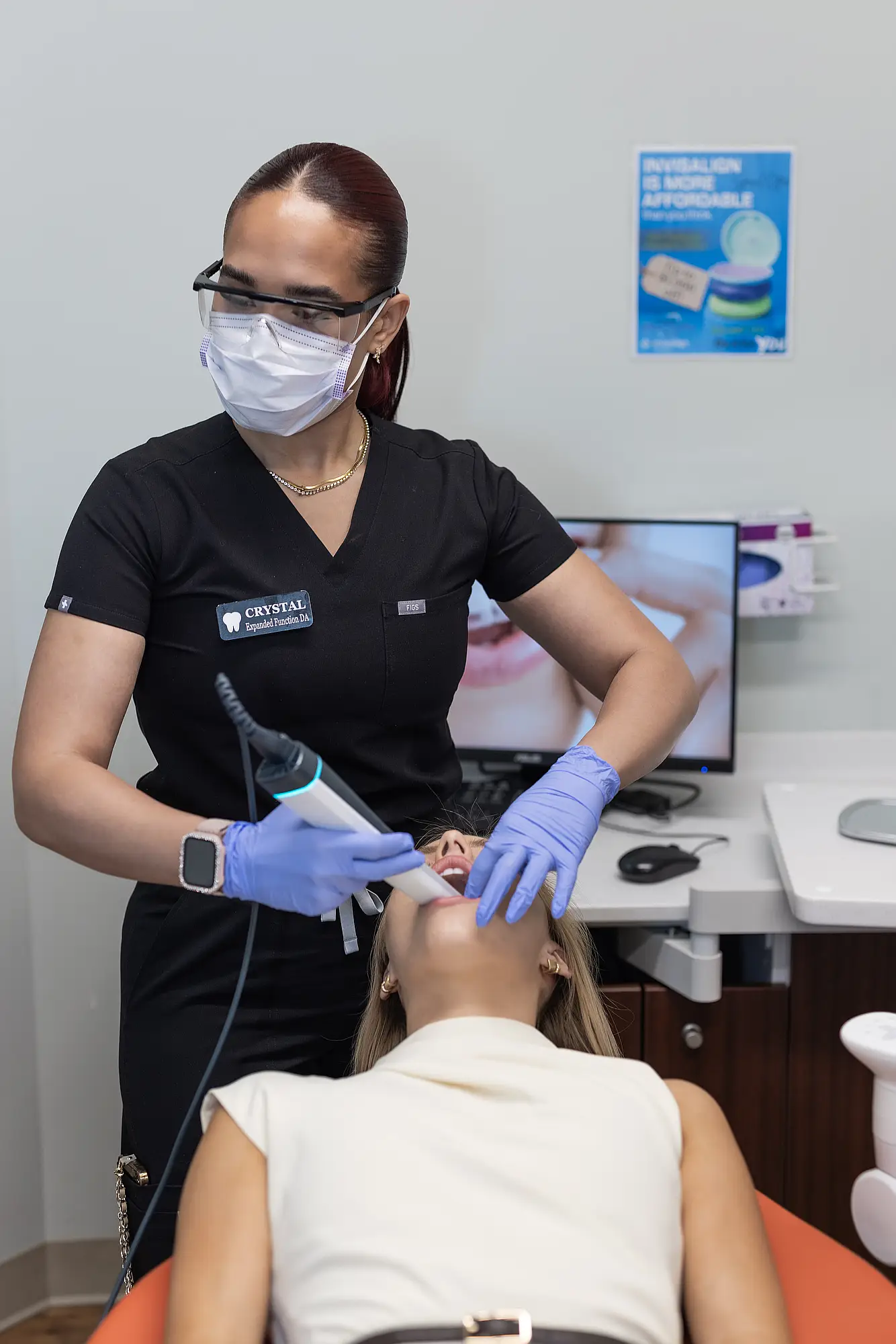
Exceptional care for a lifetime of healthy smiles
The short answer
Bone grafting at MVP Family Dental
A procedure that adds bone material to the jaw where volume has been lost, rebuilding a foundation strong enough to support a dental implant.
An implant has to be held by bone. If the bone in an area has thinned after a tooth was lost, placing an implant straight into it is not reliable, and grafting is the step that makes it possible.
It is not always needed. Whether it is depends on how long the tooth has been missing and how much bone is still there, which is why it is a decision made from imaging rather than in advance.

Why bone is lost
The ridge changes shape after a tooth comes out
Bone responds to being used. A tooth root loads the bone around it every time you bite, and when the root is gone that stimulus goes with it.
- ResorptionThe body gradually reabsorbs bone in an area that is no longer carrying a root.
- Time mattersThe longer a tooth has been missing, the more the ridge is likely to have changed.
- Gum diseasePeriodontal disease can reduce the bone supporting teeth independently of tooth loss.
- Assessed on imagingHow much bone is present is measured from scans, not estimated by eye.
How treatment works
Grafting, then healing
A graft is a preparatory step. It is placed, it is given time to take, and the implant follows once the site is ready.
- Assessment and imagingWe measure the bone available at the site and decide whether grafting is needed before an implant can be planned.
- Placing the graftBone material is added to the area where volume is lacking, during an appointment under local anesthetic.
- HealingThe graft is left to integrate so it becomes a stable foundation rather than loose material.
- ReassessmentThe site is imaged again to confirm there is now enough bone to place an implant into.
- Implant placementOnce the foundation is sound, implant treatment can proceed.
Who needs one
When grafting comes into the plan
Grafting is usually raised in one of a few situations. None of them can be settled without looking at your imaging.
- A long-standing gapWhere a tooth has been missing for years and the ridge has thinned.
- After gum diseaseWhere periodontal disease has already reduced the supporting bone.
- Planning an implantWhere a scan shows there is not currently enough bone to hold an implant reliably.
Worth bringing to your consultation
- Any X-rays or records from a previous dentist.
- A current list of medications and medical conditions.
- Roughly when the tooth was lost, if you know.
- Questions about the wait between grafting and implant placement.

Afterwards
Giving the site time to take
The point of a graft is what happens after it is placed. It needs an undisturbed period to integrate, and that is why implant placement is scheduled separately rather than on the same day.
We will give you aftercare instructions for the site and review it before deciding that it is ready to carry an implant.
Two generations of dentists, one shared commitment to helping Jenkintown families eat, speak and smile with confidence.
MVP Family Dental · Jenkintown, PA

Bone Grafting Questions
- Why would I need a bone graft?
- An implant has to be held by bone. If the bone at the site has thinned after the tooth was lost, a graft adds material back so there is a sound foundation to place the implant into.
- Will I definitely need one for an implant?
- No. It depends on how long the tooth has been missing and how much bone is still there. If the tooth was lost recently and the bone is intact, a graft is not needed.
- Why does bone disappear after a tooth is lost?
- Bone responds to being loaded. A tooth root stimulates the bone around it, and once the root is gone the body gradually reabsorbs some of that bone. This is called resorption.
- Does gum disease affect it?
- Yes. Periodontal disease reduces the bone supporting the teeth, so patients with a history of it are more likely to need grafting when implants are planned.
- How long does the graft take to heal?
- It needs an undisturbed period to integrate before it can carry an implant, and the site is imaged again before that decision is made. Your dentist will give you the timescale for your case.
- Can the implant go in on the same day?
- Generally not. The graft is a preparatory step and the implant follows once the site has been confirmed as ready.
- How do I know whether I am a candidate?
- It is decided from imaging together with your gum health and medical history. That assessment is what the consultation is for.
- What happens if I decide against an implant?
- Then grafting may not be necessary at all. It is worth having the assessment first so you can compare implants with a bridge or a denture knowing what each would involve.

Dr. Vineetha Thomas, D.M.D.
LEARN MORE
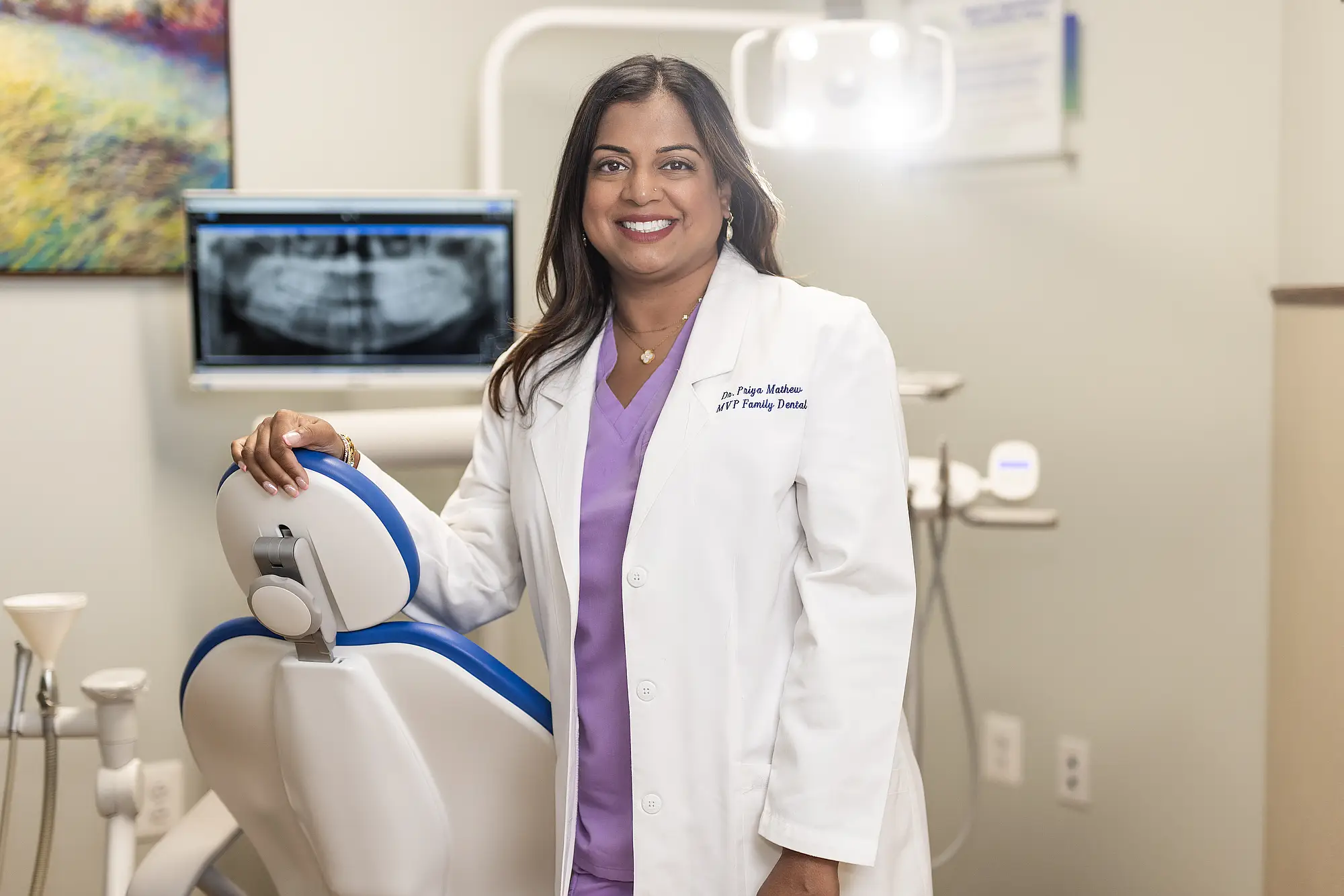
Dr. Priya Mathew, D.M.D.
LEARN MORE