
Patient Comfort
Dental Anxiety in Jenkintown, PA
No one should compromise their health out of fear of the dentist.
Dental anxiety is real, it is common, and left unaddressed it costs people their oral health — problems escalate while appointments are avoided. If this is you, say so when you call. It changes how we run the appointment.

Exceptional care for a lifetime of healthy smiles
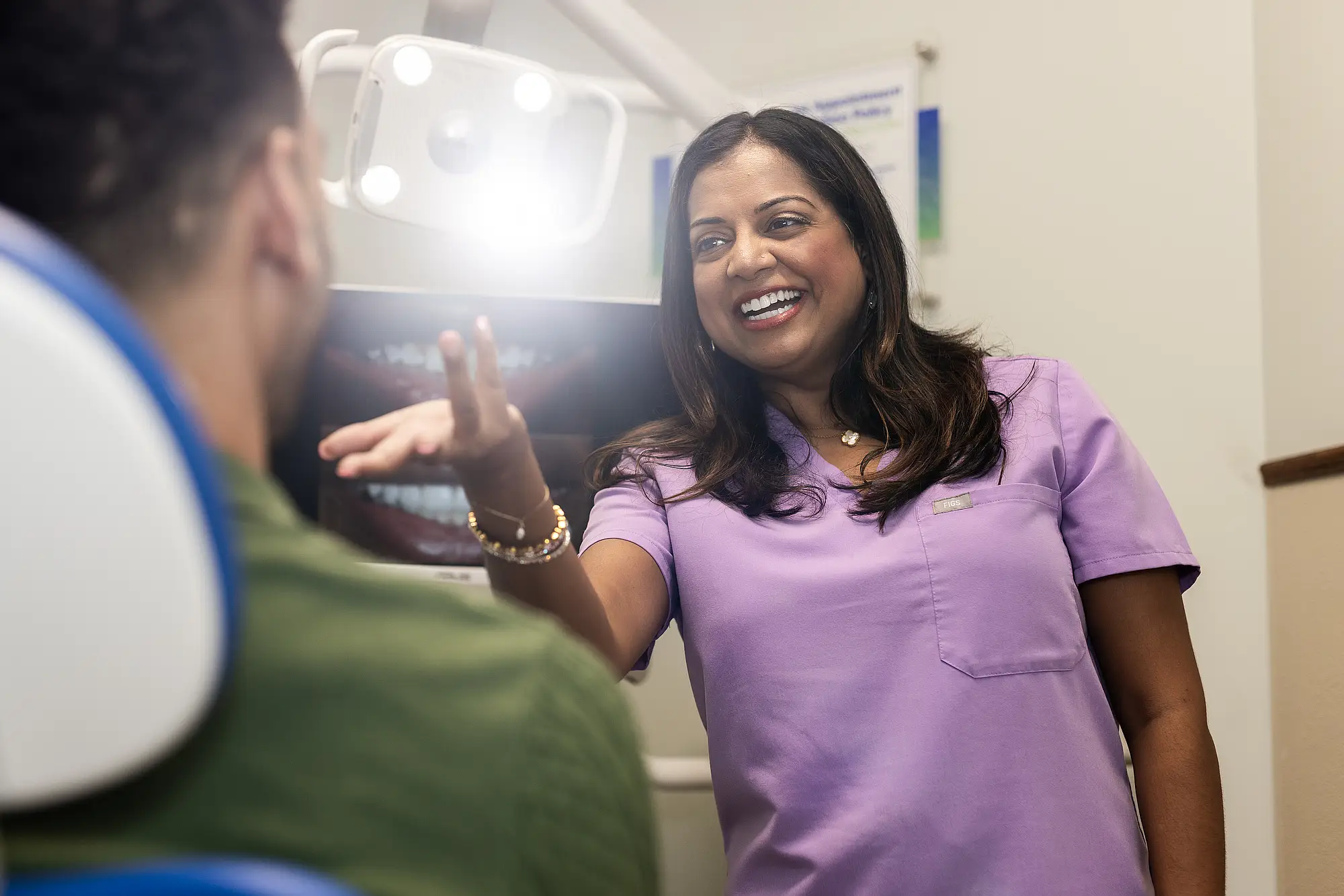
Dental anxiety at MVP Family Dental
Plenty of people feel uneasy about the dentist. Dental anxiety — sometimes called dental phobia — is that feeling at a debilitating level. Patients often know the fear is out of proportion and still cannot talk themselves out of it.
The pattern we see is avoidance until pain or an emergency forces the issue, which is the worst way to arrive. Getting ahead of that is the whole point of this page.
What it looks like
You are not imagining it
Anxiety shows up differently from person to person. These are the ones patients describe to us most often.
- Nerves that build in the waiting roomIncreasing as the appointment gets closer.
- Physical discomfort at the thought of treatmentA bodily response, not just a worry.
- Trouble sleeping the night beforeCommon, and worth telling us about.
- Avoiding appointments entirelyUntil pain or an emergency makes it unavoidable.
Where it comes from
Fears that are entirely valid
Dental anxiety can affect anyone, at any age and from any background. The specific fear is usually one of these — and each of them is reasonable.
- Anesthesia and injectionsOne of the most common single fears.
- PainAnxiety about what treatment will feel like.
- EmbarrassmentAbout the state of your teeth, or about how long it has been.
- Feeling helplessNot being in control during treatment.
Overcoming dental anxiety starts with open communication, so we would rather you told us the specific fear than kept it to yourself. There is no judgment here about how long it has been since your last visit.
What we can do
What actually helps
Coping with dental anxiety needs an approach matched to you rather than a standard one.
- Relaxation techniquesDeep breathing, visualization and distraction, which our team can talk you through.
- A plan for the appointmentBuilt around the specific fear you tell us about, with time allowed for it.
- A calm environmentThe practice is set up deliberately to make visits less stressful.
Anxious children
Establishing trust early in a child’s dental life matters, so we take the same approach with young patients — a positive first experience rather than a rushed one.
- Tell us when you book, so time is allowed for it.
- Bring someone with you if that helps.
- Ask us to explain each step, or to stop when you need a pause.
- Call the office on (215) 274-0169 and say that you are nervous.
Two generations of dentists, one shared commitment to helping Jenkintown families eat, speak and smile with confidence.
MVP Family Dental · Jenkintown, PA

The short answer
Dental anxiety is a persistent and overwhelming fear of dental visits, sometimes called dental phobia, which at its most severe leads people to avoid appointments until pain or an emergency forces the issue. Support for it starts with open communication: telling us the specific fear lets the appointment be planned around it, with time allowed. Relaxation techniques such as deep breathing, visualization and distraction help many patients, and the same approach is taken with anxious children.
Dental Anxiety Questions
- What is dental anxiety?
- Dental anxiety is a persistent and overwhelming fear of dental visits, sometimes called dental phobia. Plenty of people feel uneasy about the dentist; with dental anxiety that feeling reaches a debilitating level. Patients often know the fear is out of proportion and still cannot talk themselves out of it. It is real, it is common, and left unaddressed it costs people their oral health.
- Is it unusual?
- No. It can affect anyone, at any age and from any background. Patients often recognize the fear is out of proportion while still finding it very hard to cope with. There is no judgment here about how long it has been since your last visit.
- What causes it?
- The specific fear is usually one of a few: anesthesia and injections, anxiety about what treatment will feel like, embarrassment about the state of your teeth or about how long it has been, or a sense of helplessness during treatment. Each of those concerns is entirely reasonable. Anxiety also shows up differently from person to person, from nerves that build in the waiting room to trouble sleeping the night before. Knowing which one applies to you is what lets us plan around it.
- What should I do first?
- Tell us when you book. Open communication is where this starts, because sharing the specific fear lets the appointment be planned around it with time allowed. We would rather you told us than kept it to yourself. Saying that you are nervous when you call changes how we run the appointment.
- What can help?
- Relaxation techniques such as deep breathing, visualization and distraction help a lot of patients, and our team can talk you through them during the appointment. A plan built around the specific fear you tell us about makes more difference than a standard approach. You can bring someone with you, and you can ask us to explain each step or to stop when you need a pause. The practice is set up deliberately to make visits less stressful.
- What about my child?
- We take the same approach with young patients. Establishing trust early in a child’s dental life matters, so the aim is a positive first experience rather than a rushed one. Tell us when you book so that time is allowed for it.
- I have not been to a dentist in years.
- That is more common than you would think, and it is not something you will be judged for. The usual pattern is avoidance until pain or an emergency forces the issue, which is the worst way to arrive. Call us, say that you are nervous, and we will start where you are.
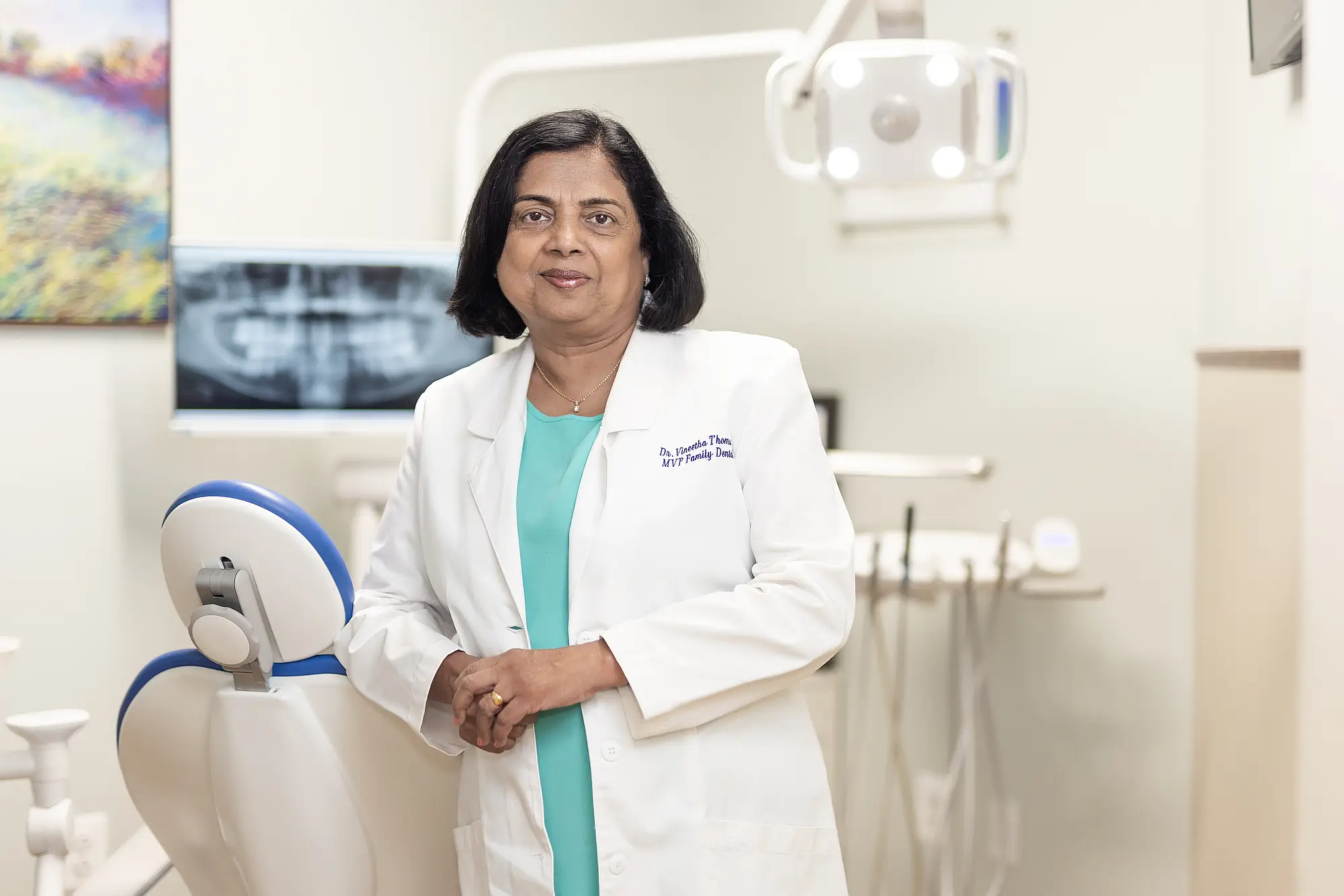
Dr. Vineetha Thomas, D.M.D.
LEARN MORE
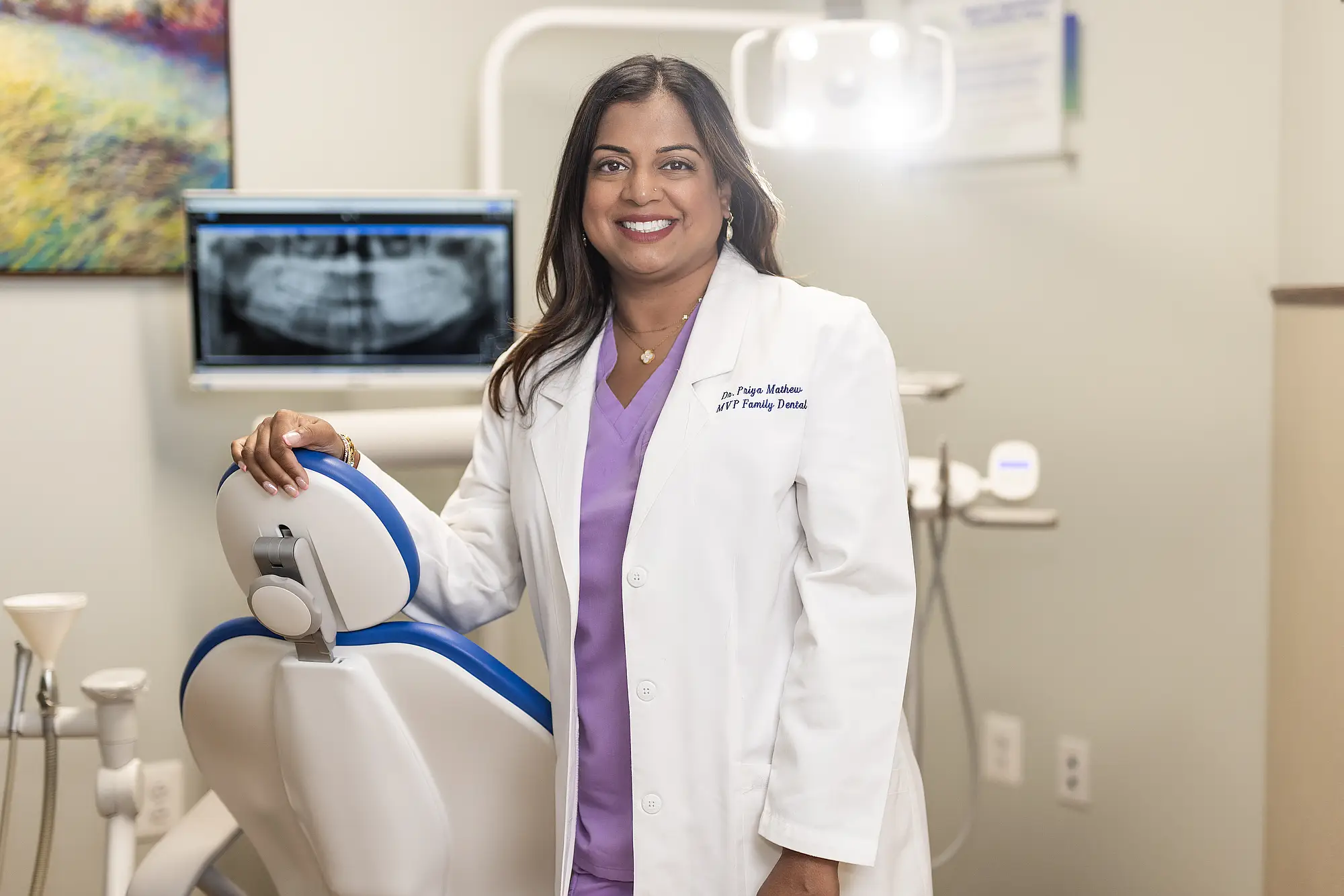
Dr. Priya Mathew, D.M.D.
LEARN MORE