

Restorative Dentistry
Denture Relining in Jenkintown, PA
The mouth changes shape. The denture has to keep up.
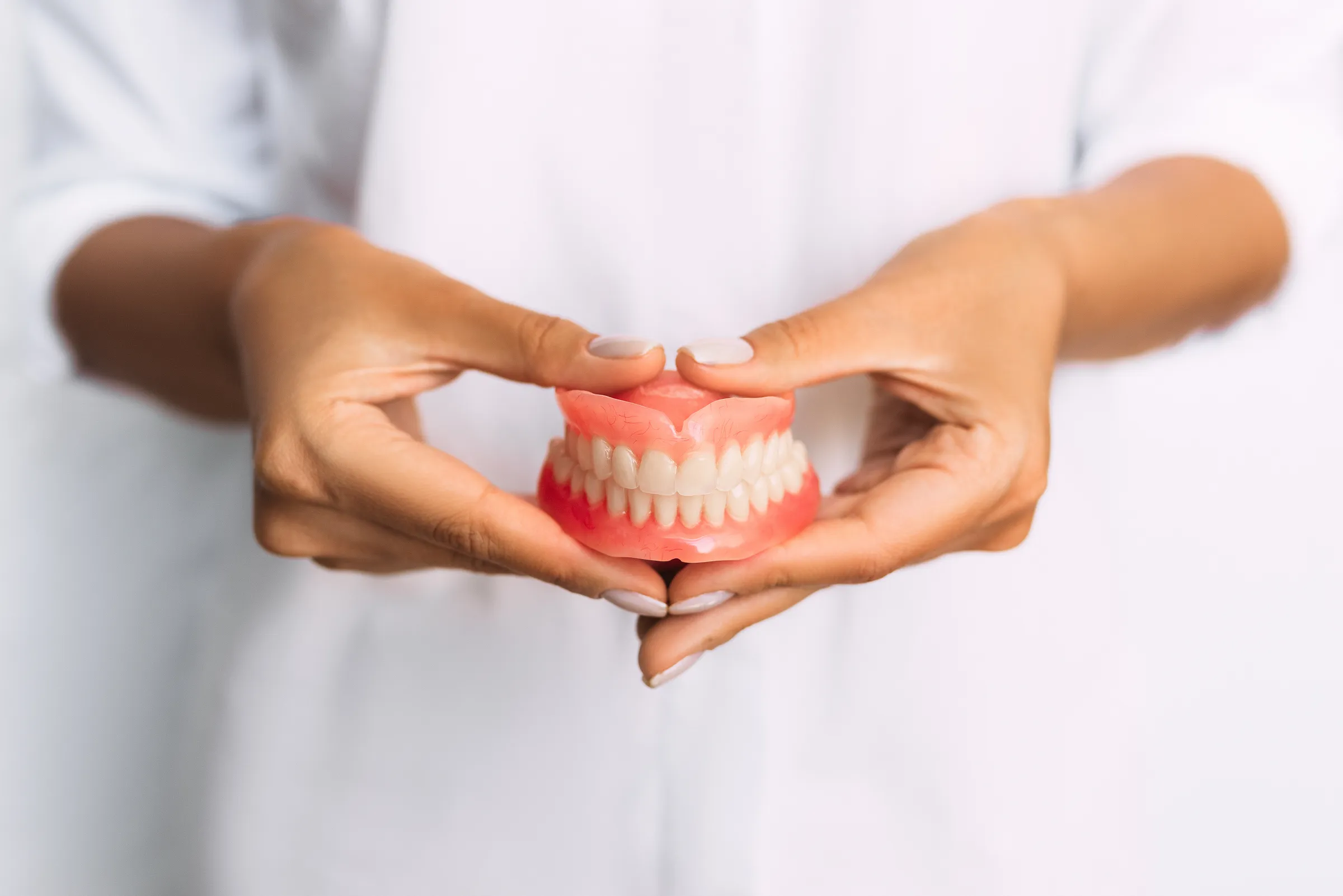
After teeth are lost the gums and jawbone gradually reshape, and a denture made for the old shape stops fitting the new one. Relining reworks the surface that touches the gums so it seats correctly again.
Exceptional care for a lifetime of healthy smiles
Relining at MVP Family Dental
An ill-fitting denture is not just uncomfortable. It rubs, it can cause soreness and ulceration, and it changes how you eat and speak. Relining is usually the least invasive way of putting that right.
The rule of thumb is simple: if a denture has become uncomfortable, it is worth an appointment. Discomfort is information, not something to get used to.
Relining or rebasing
Two different jobs
They are often mentioned together and they are not the same procedure. Which one is appropriate depends on the condition of the denture itself.
- ReliningReshapes the surface of the denture that sits against the gums, leaving the rest of it as it is.
- RebasingRebuilds the base of the denture entirely, keeping the existing teeth.
- AdjustmentSmaller corrections to relieve a specific sore spot or pressure point.
- Assessment firstWhich of the three you need is decided by looking at the denture and the tissue it rests on.
How treatment works
From sore spot to a denture that seats
Relining is usually straightforward, and the assessment is what makes sure it is the right answer rather than a temporary fix.
- AssessmentWe look at how the denture is sitting, where it is rubbing and what the gums and ridge underneath look like.
- Deciding the approachRelining, rebasing or adjustment, depending on the denture and the fit.
- Taking the impressionA record is taken of the current shape of your ridge so the new surface matches it.
- FittingThe reworked denture is fitted and checked, and any pressure points relieved.
When to come in
Do not wait for it to get worse
A denture that no longer fits tends to cause its own problems, and those problems make the eventual treatment larger.
- SorenessRubbing and ulceration where the denture no longer sits evenly.
- MovementA denture that lifts, clicks or shifts while eating or speaking.
- Changed fit after weight or health changesBoth can affect how a denture seats.
Worth bringing to your appointment
- The denture, obviously — and any spare you have.
- Roughly when the fit changed.
- Where it rubs or hurts.
- Any adhesive you have started using to keep it in.
Two generations of dentists, one shared commitment to helping Jenkintown families eat, speak and smile with confidence.
MVP Family Dental · Jenkintown, PA

The short answer
Denture relining reshapes the surface of a denture that rests against your gums, so it matches the current shape of your ridge and seats correctly again. After teeth are lost the gums and jawbone gradually change shape, and a denture made for the earlier shape stops fitting the new one. It is distinct from rebasing, which rebuilds the base of the denture entirely while keeping the existing teeth, and from an adjustment, which relieves a specific sore spot or pressure point.
Denture Relining Questions
- What is denture relining?
- Relining reshapes the surface of the denture that rests against your gums, so that it matches the current shape of your ridge and seats correctly again. The rest of the denture is left as it is. A record is taken of the current shape of your ridge so the new surface matches it, and the reworked denture is then fitted and any pressure points relieved. It is usually the least invasive way of correcting a fit that has drifted.
- How is that different from rebasing?
- Rebasing rebuilds the base of the denture entirely while keeping the existing teeth. Relining only reworks the surface that contacts the gums. A third option, an adjustment, makes smaller corrections to relieve a specific sore spot or pressure point. Which of the three you need is decided by looking at the denture and the tissue it rests on.
- Why has my denture stopped fitting?
- After teeth are lost the gums and jawbone gradually change shape. A denture made for the earlier shape no longer matches, which is normal rather than a fault in the denture. Weight and health changes can affect how a denture seats too. That is why reviews matter even when nothing is obviously wrong.
- When should I come in?
- Any time the denture has become uncomfortable. Discomfort, rubbing or movement are all reasons to be seen rather than to adapt around. An ill-fitting denture rubs and can cause soreness and ulceration, and those problems make the eventual treatment larger. Discomfort is information, not something to get used to.
- Can I just use more adhesive?
- Adhesive can mask a fit problem for a while, but it does not correct it and the rubbing underneath continues. Tell us if you have started relying on it, and bring the product with you. Relining is what addresses the fit itself.
- Will I be without my denture?
- That depends on the approach taken, which is decided at the assessment. We will tell you then what to expect on the day. Bringing any spare denture you have is worth doing.
- How often does a denture need relining?
- There is no fixed interval, because it depends on how your ridge changes. Regular reviews are how the need gets picked up, usually before it becomes uncomfortable. It helps to say roughly when the fit changed and where it rubs.
- Is it the same as a repair?
- No. A repair addresses damage to the denture itself, such as a crack or a tooth that has come away. Relining addresses the fit against your gums. The assessment establishes which of the two you need, and sometimes it is both.

Dr. Vineetha Thomas, D.M.D.
LEARN MORE

Dr. Priya Mathew, D.M.D.
LEARN MORE