
Orthodontics & Specialty Care
Sleep Apnea Treatment in Jenkintown, PA
A dental appliance is one option — after a medical diagnosis, not instead of one.
Obstructive sleep apnea is a medical condition, diagnosed by a sleep physician from a sleep study. What dentistry contributes is one of the treatment options: a custom oral appliance that holds the lower jaw forward during sleep to help keep the airway open.
Exceptional care for a lifetime of healthy smiles
The short answer
Oral appliance therapy at MVP Family Dental
Custom oral appliance therapy for obstructive sleep apnea and snoring that repositions the jaw to keep the airway open during sleep.
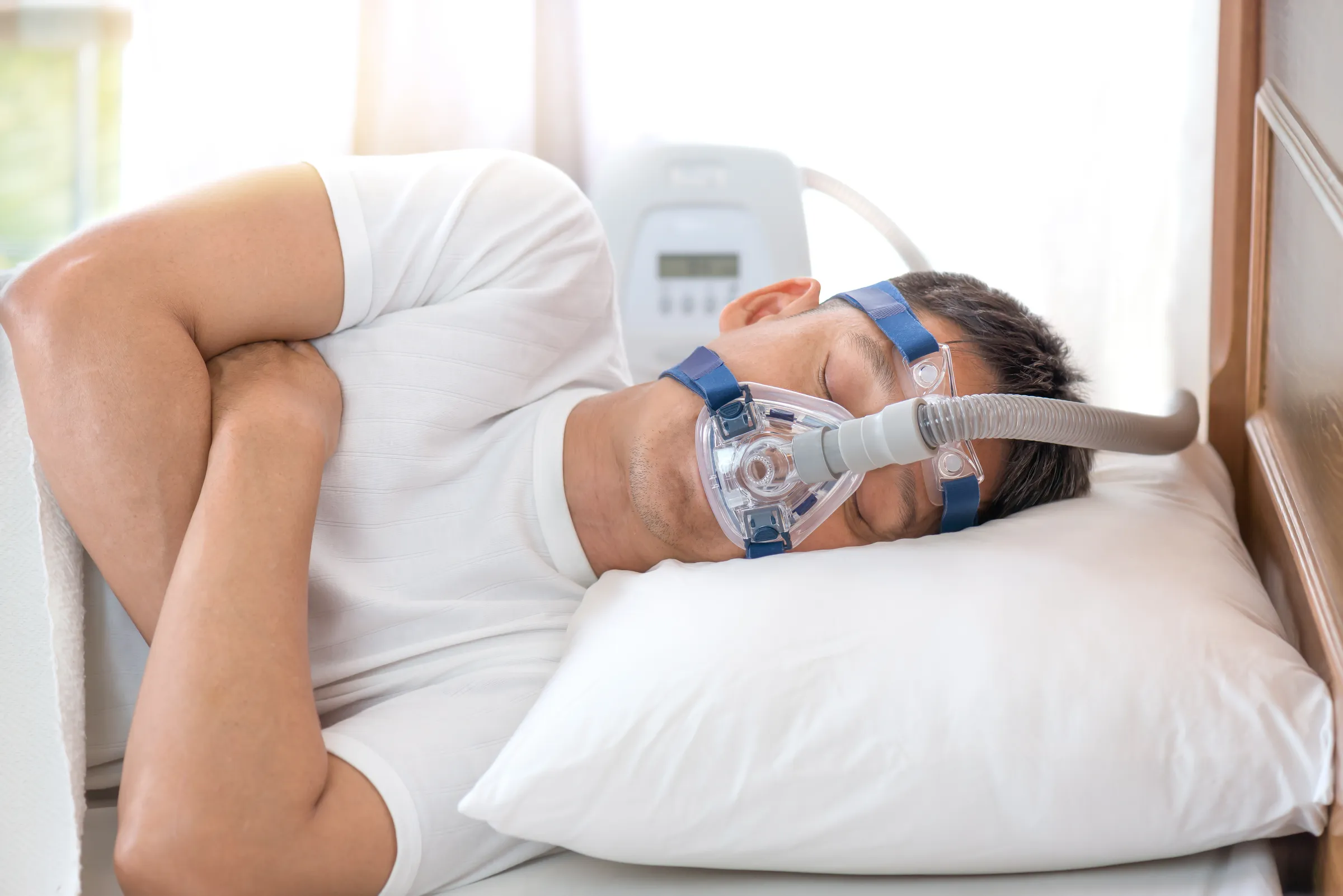
In obstructive sleep apnea the soft tissues at the back of the throat collapse during sleep and interrupt breathing. A mandibular advancement appliance holds the lower jaw slightly forward, which brings the tongue and soft tissues forward with it and helps keep that space open.
It is one option among several, and the right one for some people rather than all. Which treatment suits a particular case is decided with the physician who made the diagnosis, not in a dental chair on its own.
How it works
Diagnosis comes first
The sequence matters here more than in almost any other treatment on this site. An appliance fitted without a diagnosis is treating a guess.
- Talk to your physicianSleep apnea is diagnosed from a sleep study arranged through your doctor or a sleep specialist.
- Referral for an applianceWhere oral appliance therapy is appropriate for your case, we work from that diagnosis and referral.
- Records and fittingImpressions or a scan are taken so the appliance is made to your own teeth and jaw relationship.
- Adjustment and reviewThe degree of advancement is adjusted over subsequent visits, and your physician reviews how you are responding.
What we look at
Whether your mouth can carry one
An oral appliance is anchored to your teeth and works your jaw joints nightly, so the dental assessment is about whether that is reasonable for your mouth.
- Enough sound teethThe appliance grips the teeth. There have to be enough of them, in good enough condition, to anchor it.
- Gum healthNightly force on teeth with compromised support is not appropriate, so gum health is assessed first.
- The jaw jointsExisting joint symptoms are relevant, since the appliance holds the jaw in a forward position for hours.
- The biteHow the teeth meet is recorded before treatment, because bite changes are a recognized effect worth monitoring.
The wider picture
Where an appliance fits in
Treatment for sleep apnea is directed by your physician. These are the categories the conversation usually covers.
-
CPAP
The most established treatment, delivering positive airway pressure through a mask. Prescribed and managed medically.
-
Oral appliance therapy
A custom dental appliance holding the lower jaw forward during sleep. This is the part dentistry provides.
-
Combined and other approaches
Some people use more than one approach, and your physician may raise surgical or positional options depending on the case.
Signs worth raising
What to tell your doctor
We are not in a position to tell you whether you have sleep apnea, and neither is a website. What we can do is recognize signs worth investigating and encourage you to take them to your physician – snoring that a partner has raised, waking unrefreshed, and daytime sleepiness are the usual ones.
If you already have a diagnosis and have been told an oral appliance is an option, that is the point at which we can help.
- Diagnosis firstSleep apnea is diagnosed by a physician from a sleep study, not by a dentist.
- Custom madeAny appliance is made to your own teeth and jaw relationship, not bought off a shelf.
- Reviewed togetherResponse to treatment is monitored by the physician who made the diagnosis.
Bring to your appointment
- Your sleep study results and your physician’s referral, if you have them.
- Any current CPAP experience, and what has worked or not worked about it.
- A history of jaw joint pain, clicking or locking.
- A current list of medications and medical conditions.
Living with an appliance
Monitored, not fitted and forgotten
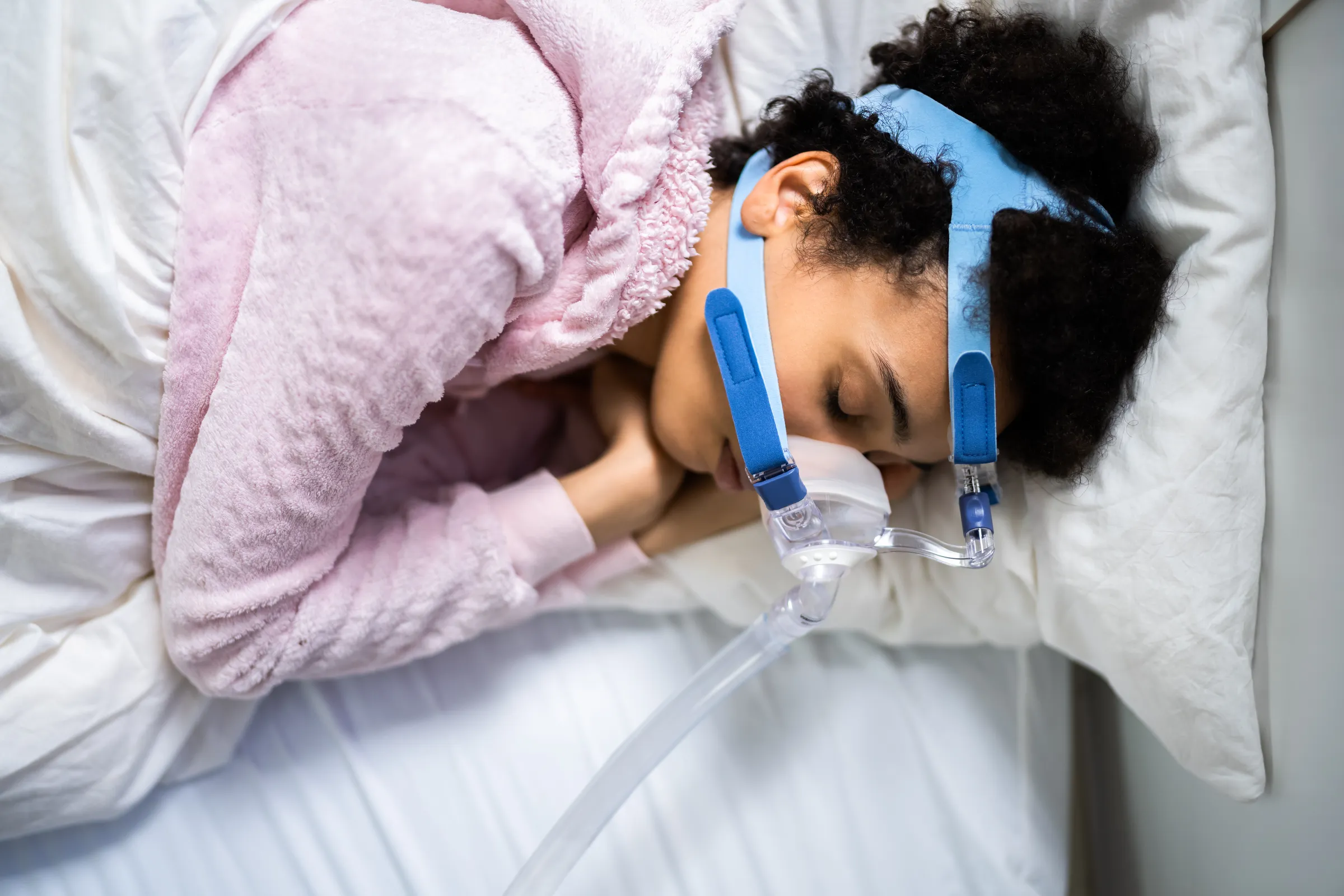
An oral appliance holds the jaw forward for hours every night, so it is reviewed rather than simply handed over. Bite changes and jaw joint symptoms are recognized effects, which is why the bite is recorded beforehand and checked afterwards.
Clean it as directed with cool water, keep it dry in its case, and bring it to your routine dental visits so the fit and the effect on your teeth can both be checked.
Sleep apnea is a medical diagnosis. A dental appliance is one answer to it, never a substitute for making it.
MVP Family Dental · Jenkintown, PA
Sleep Apnea Treatment Questions
- Can a dentist diagnose sleep apnea?
- No. Obstructive sleep apnea is diagnosed by a physician, usually from a sleep study. A dentist can recognize signs worth investigating and provide an oral appliance once a diagnosis exists.
- How does an oral appliance work?
- It holds the lower jaw slightly forward during sleep, which brings the tongue and soft tissues forward and helps keep the airway open.
- Is it an alternative to CPAP?
- For some people it is an option; for others CPAP remains the appropriate treatment. That decision is made with the physician managing your diagnosis.
- Will it stop my snoring?
- Snoring and sleep apnea are related but not the same thing. What an appliance achieves in your case is something to discuss with your physician and dentist together.
- Are there side effects?
- Bite changes and jaw joint symptoms are recognized effects of holding the jaw forward nightly, which is why the bite is recorded before treatment and monitored afterwards.
- Can I get one if I have missing teeth?
- It depends. The appliance anchors to your teeth, so there have to be enough sound teeth with healthy support to carry it. That is what the dental assessment establishes.
- Can I buy one online instead?
- An appliance that is not made to your teeth and jaw relationship, and not fitted against a diagnosis, is not the same treatment. It also skips the monitoring that makes it safe.
- Where do I start?
- With your physician, for a diagnosis. If oral appliance therapy is appropriate, contact our Jenkintown office with the referral.
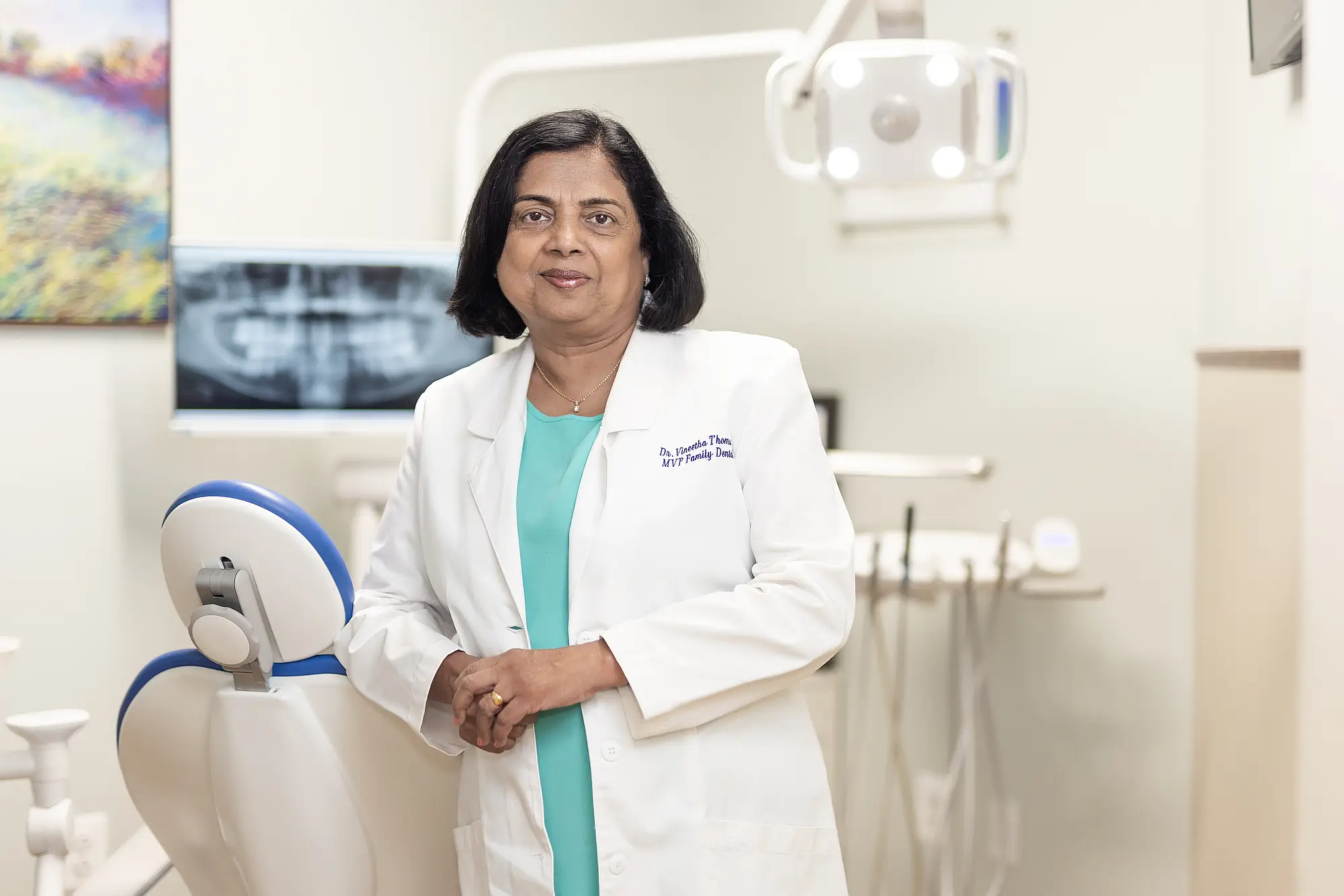
Dr. Vineetha Thomas, D.M.D.
LEARN MORE
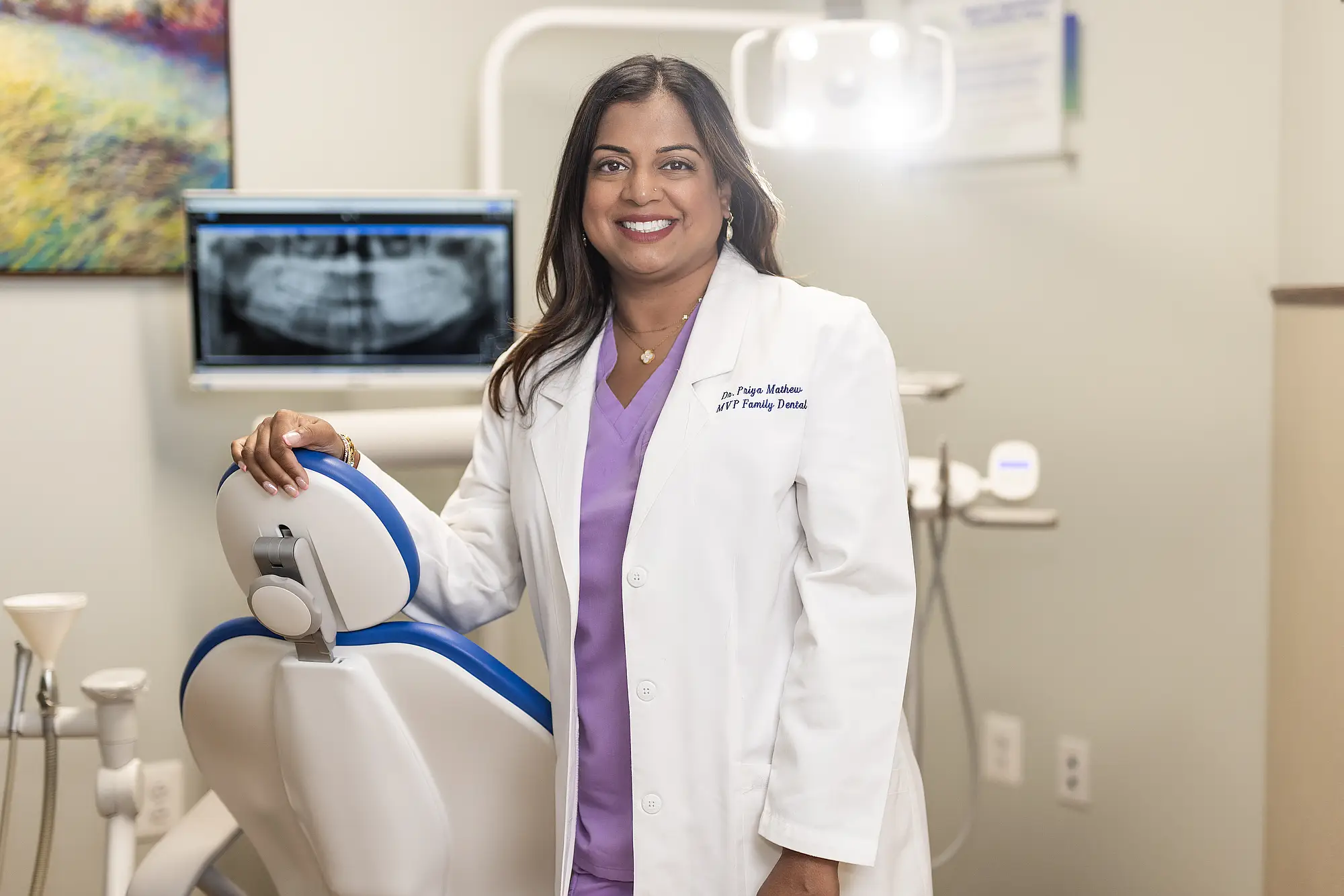
Dr. Priya Mathew, D.M.D.
LEARN MORE